
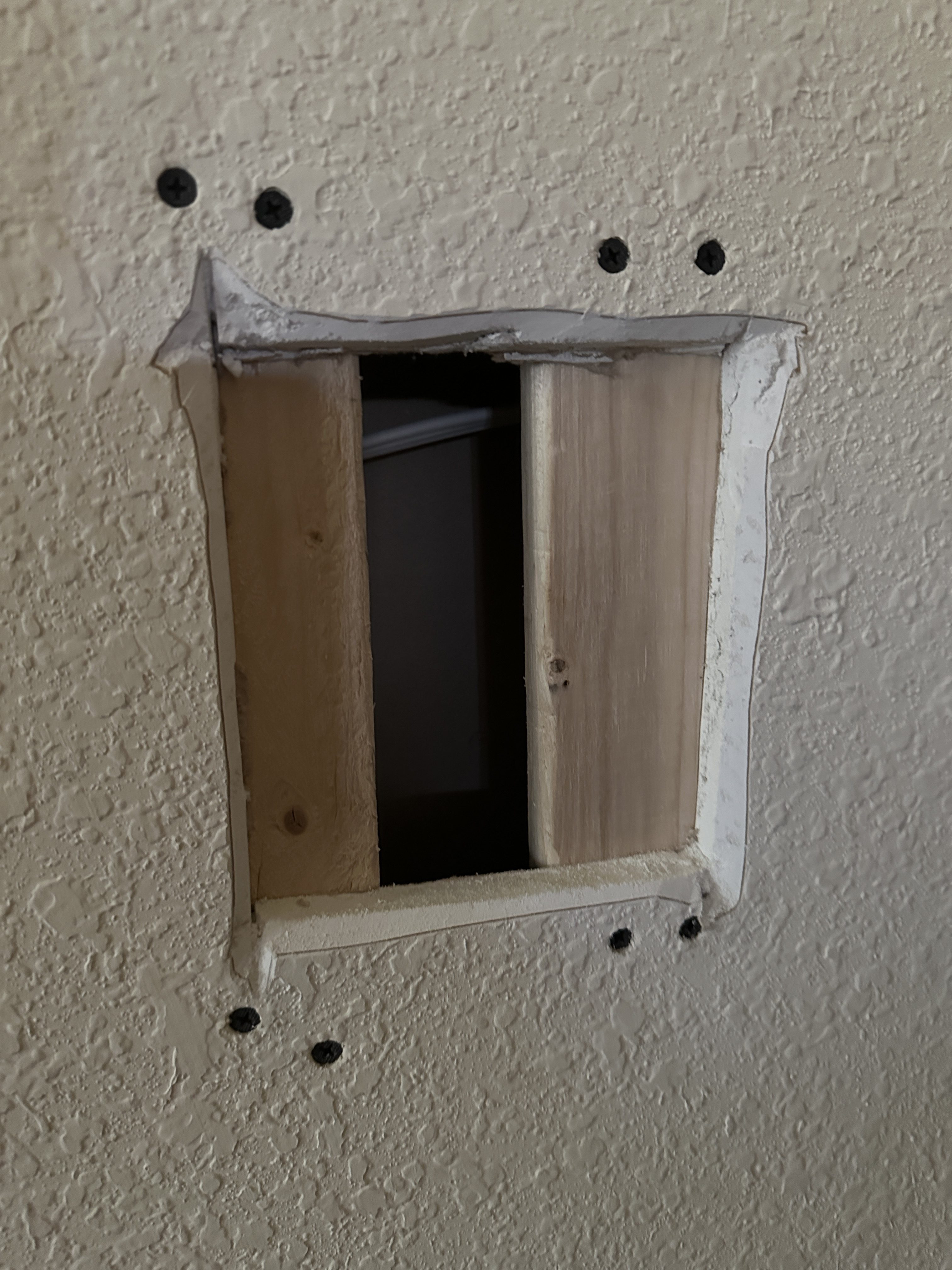
When it comes to interior painting, the single most important factor that determines whether your project looks right out of a magazine or like a rushed weekend DIY isn’t the paint quality, color choice, or even the application technique – it’s the condition of the drywall before the brush even touches the walls. Many Waukesha homeowners assume that paint will hide imperfections and surface flaws, but the opposite is true. Paint actually highlights cracks, nail pops, dents, and uneven surfaces, making proper drywall repair an important step in every interior painting project.
Professional painters know that high quality results that last start long before the first coat is applied. Thorough drywall repair and surface preparation ensure smooth, even walls that look seamless under all lighting conditions.
Why Drywall Imperfections Become More Visible After Painting
Fresh paint creates a uniform color and sheen across a wall, removing visual distractions like scuffs, stains and dirt, and uneven sheen from cleaning. While that sounds like a benefit, it actually makes surface flaws stand out more easily. Once the “visual noise” is gone, your eye focuses on the wall’s flatness, and any deviation becomes obvious.
Lighting plays a major role as well. Natural light from windows, recessed lights, and lamps often hit walls at low angles, casting shadows across even minor imperfections. Nail pops, shallow dents, and poorly finished seams that once went unnoticed under decades old paint can suddenly dominate a room.
Paint sheen further affects visibility of the drywall conditions. Higher sheen finishes such as satin or semi-gloss reflect more light, making drywall flaws easier to see. Waukesha homeowners often choose these durable finishes for busy areas like kitchens and bathrooms meaning these spaces demand extra attention to drywall prep before painting.
Common Drywall Problems in Waukesha Homes
Homes in Waukesha county face unique drywall challenges due to climate and seasonal humidity extremes.
Nail Pops
Nail pops are one of the most common drywall issues. The nails or screws that secure the drywall sheets to the wooden studs can shift slightly over time due to expansion and contraction due to humidity or structural settling. As the nails slide out of position, the drywall compound covering them cracks and sometimes pops off creating visible bumps or depressions in the drywall. Waukesha homes experience aggressive humidity cycling between dry winters and humid summers that accelerates nail pop development, especially in homes built between the 1960s and 1980s when construction methods more heavily relied on nails rather than the screws that modern constructions uses.
Stress Cracks
Stress cracks often appear above doors and windows, at corners, or along ceiling joints. These are typically caused by structural movement or foundation settling. Simply filling these cracks without addressing future movement or using proper reinforcement can lead to recurring damage.
Water Damage
Water damage presents the most serious drywall repair challenges. Ice dams and frozen pipes from harsh Wisconsin winters as well as roof damage from out of the blue hail storms can cause staining, bubbling, or soft drywall. Once drywall absorbs moisture, the paper face deteriorates and loses integrity, meaning replacement – not just patching – is usually required. Painting over water-damaged drywall only hides the issue temporarily.
Professional Repair Techniques vs. DIY Approaches
Professional painters begin by evaluating the extent of the damage to determine whether filling, taping, or replacing is required. They remove loose material, cut clean repair edges, and seal exposed drywall when necessary. DIY repairs often skip this step, leading to poor adhesion and premature cracking.
Professionals use multiple types of drywall compound depending on the repair stage. Setting type compounds provide strength for deep repairs, while lightweight finishing compounds minimize shrinkage and sand smoothly. Repairs are built in thin layers, each allowed to dry fully, creating seamless transitions that disappear under paint.
Sanding is where many DIY repairs fall short. Professional drywall finishers use fine grit sandpaper, proper lighting, and feathering techniques to achieve perfectly smooth surfaces. They intentional inspect walls under harsh lighting to ensure repairs remain invisible.
When Professional Drywall Repair is Worth the Investment
The decision about whether professional drywall repair justifies its cost versus attempting DIY fixes or proceeding with painting over imperfect surfaces depends on several factors including damage extent, surface visibility, paint sheen selection, and homeowner skill level. Professional repair is almost always worth it in highly visible spaces like living rooms, bedrooms, and hallways. Spending thousands on interior painting without properly repairing the drywall often leads to disappointment.
As a general guideline, minor repairs (a few nail pops or small dents) may be reasonable DIY projects, but multiple cracks, water damage, or a large number repair spots usually mean professional work delivers better value. Professional drywall repair may add 10-20% to the total painting cost but can improve the finished appearance dramatically.
At PRO-Found Painting, drywall repair isn’t an afterthought, it’s a core part of our interior painting process. We carefully evaluate your walls during our initial consultation, identify all necessary repairs, and explain exactly what’s needed and why. Our experienced crews use professional grade materials, multi-coat application when necessary, and careful sanding to ensure repairs disappear, even under challenging lighting. With over 10 years of experience working with Waukesha county homes of all ages, we understand the impact of climate-related movement and wear. If you’re planning an interior painting project, contact PRO-Found Painting today for an honest assessment and expert preparation that ensures your new paint looks beautiful – and stays that way for years.